Estimates, not medical measurements
Calories, macros, and micronutrients are presented for everyday tracking. They should not be used as medical diagnosis or treatment guidance.
Food data and accuracy
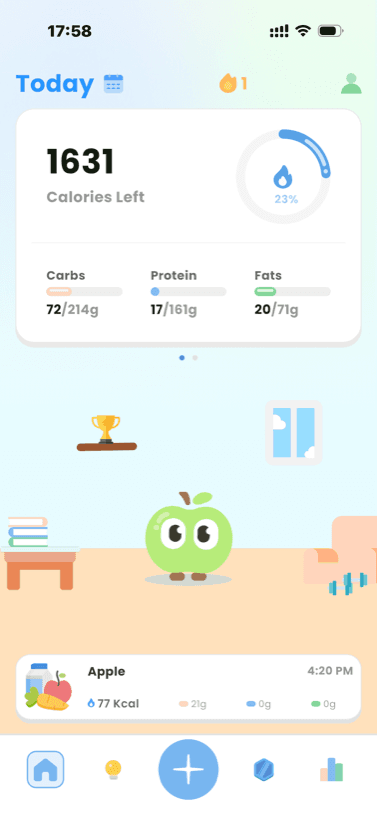
NutriOn treats AI food recognition as a starting point. The app is designed to help users review estimates, correct context, and track patterns over time.
Accuracy principles
NutriOn avoids presenting AI output as a perfect measurement. The product experience should make uncertainty understandable and correction easy.
Calories, macros, and micronutrients are presented for everyday tracking. They should not be used as medical diagnosis or treatment guidance.
Users can correct portions, food names, and preparation details before the result becomes a saved record.
Daily and weekly patterns are usually more useful than treating a single estimated meal as exact.
Mixed dishes, hidden ingredients, lighting, and serving size can all affect AI-assisted estimates.
Food photos can miss details that matter. These cases should be treated as prompts to review the estimate, not as failures of the user.
NutriOn
Open the NutriOn download section and keep the same attribution context for install and subscription measurement.